
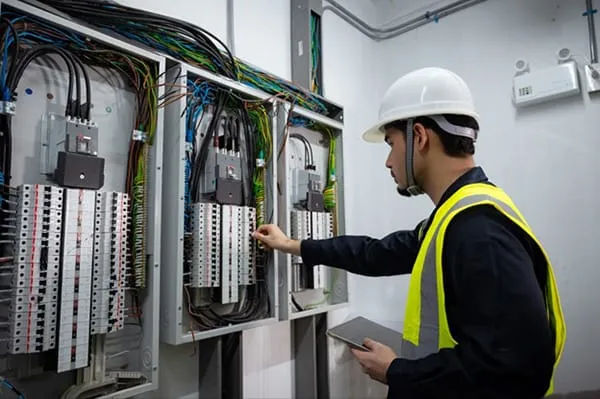
Professional Energy Audits for HVAC in Osceola, Indiana & Surrounding Areas
Professional HVAC energy audits help homeowners and business owners in Osceola, Indiana, understand how efficiently their heating and cooling systems operate. These audits identify energy waste, airflow problems, insulation concerns, and equipment inefficiencies that may increase utility bills. With a detailed energy assessment, property owners can make informed decisions about HVAC maintenance, repairs, and upgrades. Residents in nearby communities, including Mishawaka, Granger, Elkhart, South Bend, and Niles, Michigan, can also benefit from energy-efficient HVAC solutions designed to improve indoor comfort and reduce unnecessary energy consumption.
What Is a Professional HVAC Energy Audit?
A professional HVAC energy audit is an assessment of a heating and cooling system to determine how effectively it uses energy. During the audit, technicians examine equipment performance, air filters, ductwork, thermostats, ventilation, and other components that influence energy consumption. They may also evaluate insulation and air leaks that allow conditioned air to escape. For homeowners in Osceola, an energy audit provides valuable information about potential improvements that can increase efficiency and support year-round comfort.
Why Should Homeowners in Osceola, Indiana, Schedule an HVAC Energy Audit?
Scheduling an HVAC energy audit can help identify problems before they lead to higher energy costs or unexpected equipment failures. An inefficient air conditioner or furnace may consume more electricity or fuel while struggling to maintain comfortable indoor temperatures. A professional assessment helps pinpoint these issues and recommends practical solutions. Homeowners in Osceola and nearby areas such as Granger and Mishawaka can use these findings to improve system performance and make better decisions about future HVAC investments.
How Can an HVAC Energy Audit Reduce Monthly Utility Bills?
An HVAC energy audit identifies opportunities to reduce wasted energy throughout a property. Technicians may discover leaking ducts, clogged filters, incorrect thermostat settings, poor insulation, or aging equipment that operates inefficiently. Correcting these issues can help heating and cooling systems maintain comfortable temperatures without unnecessary energy use. Property owners in Osceola, South Bend, and Elkhart may benefit from implementing the recommended improvements, although actual savings depend on the building, equipment condition, energy rates, and household usage.
What Does a Professional HVAC Energy Audit Include?
A comprehensive HVAC energy audit generally includes an inspection of heating and cooling equipment, thermostat operation, ductwork, air filters, ventilation, and airflow. Depending on the property, technicians may also assess insulation, air leakage, and temperature differences between rooms. Some audits include energy-use measurements or specialized diagnostic testing to identify hidden inefficiencies. These evaluations help property owners in Osceola understand the current condition of their systems and determine which improvements should receive priority.
When Is the Best Time to Schedule an HVAC Energy Audit?
An HVAC energy audit can be useful at any time of year, but scheduling one before the summer cooling season or winter heating season can help prepare a system for increased demand. Spring and fall are often convenient periods for inspections because technicians can identify issues before extreme temperatures arrive. Homeowners in Osceola and surrounding communities can also request an audit when energy bills increase unexpectedly, indoor temperatures become inconsistent, or an HVAC system begins running longer than usual.
How Can an Energy Audit Improve Indoor Comfort?
Uneven temperatures, weak airflow, and persistent hot or cold spots can indicate problems with an HVAC system or the building itself. An energy audit helps identify possible causes, such as blocked vents, duct leaks, inadequate insulation, or an improperly balanced system. Addressing these issues can improve airflow and help maintain more consistent temperatures throughout the property. For families and businesses in Osceola, Granger, and Mishawaka, better HVAC performance can make indoor spaces more comfortable throughout the year.
Can an HVAC Energy Audit Help Extend Equipment Lifespan?
Yes, an energy audit can reveal operating conditions that place unnecessary strain on HVAC equipment. Restricted airflow, dirty components, ductwork problems, and incorrect system settings can contribute to inefficient operation and increased wear. By correcting identified issues and following recommended maintenance schedules, property owners may help reduce avoidable strain on their heating and cooling systems. In Osceola and nearby areas, regular inspections and timely repairs can support reliable operation and help property owners make informed equipment replacement decisions.
What Energy-Efficient HVAC Upgrades Might an Audit Recommend?
The recommendations depend on the property's energy performance and the condition of its existing equipment. Possible improvements include installing a programmable or smart thermostat, sealing duct leaks, improving insulation, upgrading to a high-efficiency furnace or air conditioner, and correcting airflow problems. In some cases, replacing outdated equipment with a properly sized, energy-efficient system may be beneficial. Homeowners in Osceola, Elkhart, South Bend, and surrounding Indiana communities should compare the expected benefits and costs before choosing an upgrade.
How Often Should Property Owners Schedule HVAC Energy Audits?
The ideal frequency depends on the property's age, HVAC system condition, energy consumption, and previous inspection results. A new or well-maintained system may not require a comprehensive energy audit every year, while older properties or buildings with persistent efficiency problems may benefit from more frequent assessments. Routine HVAC maintenance should still be performed according to manufacturer recommendations. Osceola property owners should consider another energy audit when utility bills rise significantly, major renovations are completed, or an HVAC system is replaced.
How Can Businesses in Osceola Benefit From Professional HVAC Energy Audits?
Commercial properties often have larger HVAC systems and longer operating hours than residential buildings, making energy efficiency especially important. A professional energy audit can identify inefficient equipment, ventilation concerns, unnecessary heating or cooling, and opportunities to improve system controls. These findings may help businesses manage operating expenses while maintaining a comfortable environment for employees and customers. Commercial property owners in Osceola, Mishawaka, South Bend, and Elkhart can use audit recommendations to prioritize improvements according to their building requirements and budgets.
Final Thoughts
Professional HVAC energy audits are a practical way for property owners in Osceola, Indiana, to understand their energy consumption and identify opportunities for improved heating and cooling efficiency. By evaluating equipment performance, airflow, ductwork, insulation, and thermostat settings, a qualified technician can recommend targeted improvements that support comfort and reduce energy waste. Whether you own a home or operate a commercial property, an energy audit can help you make informed decisions about maintenance, repairs, and equipment upgrades. Residents and businesses in nearby communities, including Granger, Mishawaka, Elkhart, South Bend, and Niles, Michigan, can also explore HVAC energy assessments to support more efficient indoor environments.
How long does a professional HVAC energy audit take?
The time required depends on the property's size, HVAC system complexity, and the testing involved. A typical residential assessment may take a few hours, while larger commercial buildings can require more time.
Is an HVAC energy audit worth the cost?
An energy audit can be worthwhile because it identifies potential energy waste and helps prioritize improvements. The value depends on the findings, the cost of recommended work, and the energy savings achieved over time.
Can an HVAC energy audit identify ductwork problems?
Yes. An audit may identify duct leaks, restricted airflow, poor insulation, and other distribution problems that can reduce heating and cooling efficiency.
Should I replace my HVAC system after an energy audit?
Not necessarily. Some systems can operate more efficiently after repairs, cleaning, duct sealing, or thermostat adjustments. Replacement should be considered when the equipment's condition, efficiency, repair costs, and performance justify the investment.
Do HVAC energy audits help commercial properties?
Yes. Commercial energy audits can identify inefficient equipment and building conditions that increase operating costs. The findings help businesses prioritize energy-saving improvements while maintaining suitable indoor comfort.
Address: South Bend, Indiana
phone: +1 574-347-9701
Email: [email protected]